
15/06/2026
Hanoi City-level Handheld Calculator Mathematics Competition for the 2025 - 2026 academic year attracts 400 participants
The return of a traditional academic playground not only marks the resumption of a meaningful professional activity but also sparks interest and excitement among students and teachers after many years of interruption.
The competition was first held in 1995 in Ho Chi Minh City, then implemented in Hanoi from 1996. Based on practical effectiveness, the competition was gradually expanded by Departments of Education and Training, becoming one of the familiar academic playgrounds for many generations of students nationwide.

In 2000, the competition was organized at the national level by the Ministry of Education and Training. During the peak period, 17 national-level competitions were held. In many localities such as Ho Chi Minh City, Can Tho, Vinh Long, An Giang, and Quang Ngai, the competition is still maintained on a large scale, attracting thousands of students every year. Notably, the competition has set a record as the “Longest-running annual excellent student competition in solving mathematics on handheld calculators” in Vietnam.
The endurance of the competition over time shows the appeal of a practice-associated learning method, where students not only solve math problems but also learn how to think, analyze, and effectively apply supporting tools.
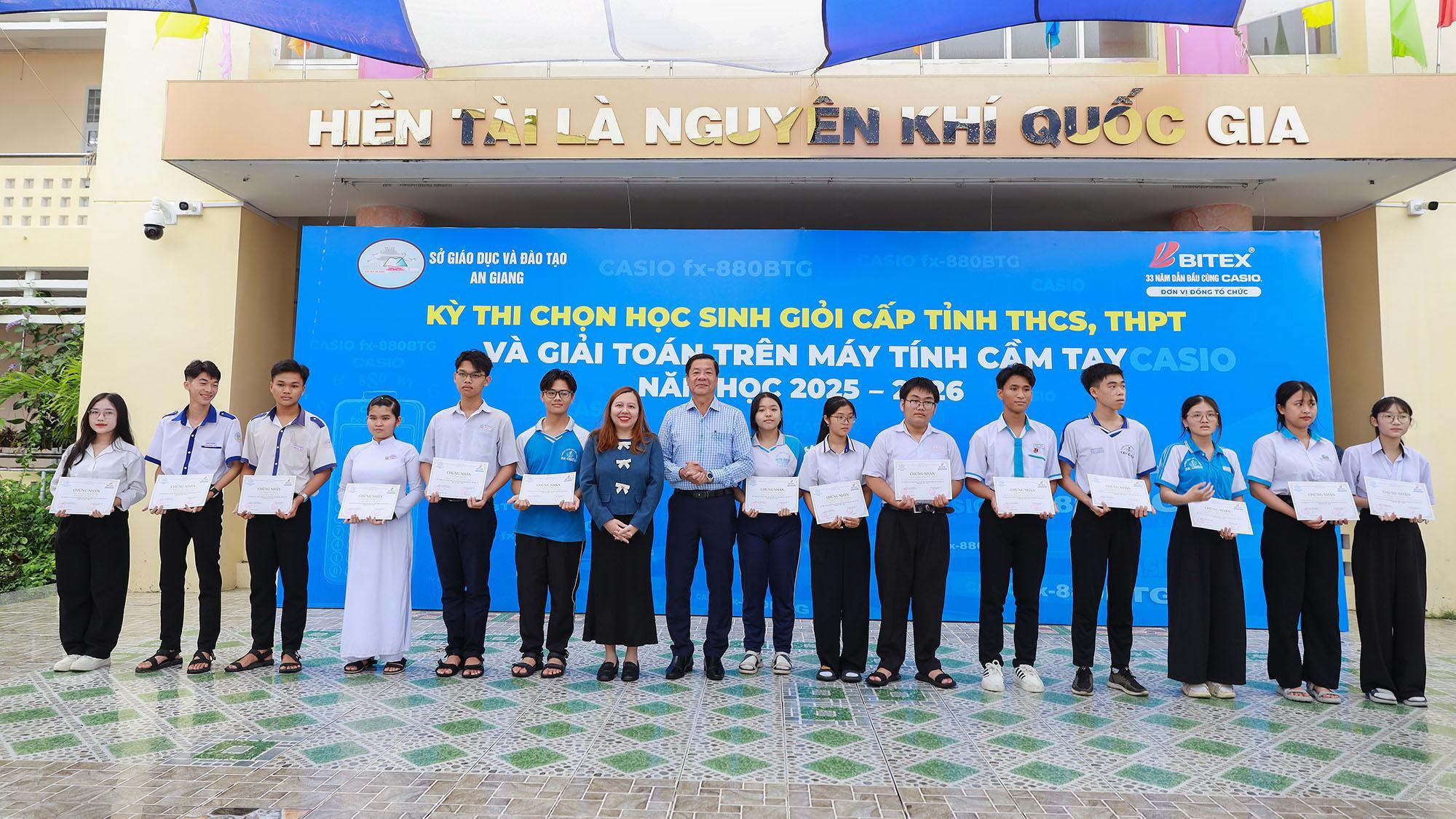
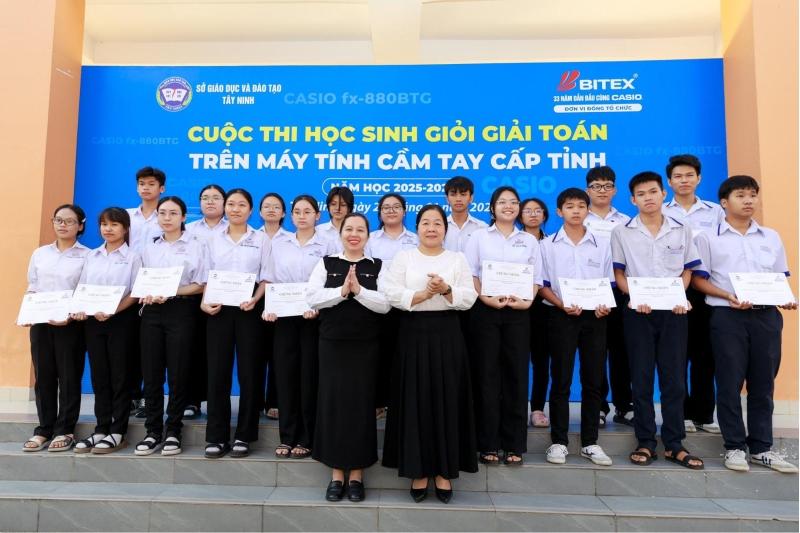
According to the Organizing Committee, this year's competition gathers about 400 students. The participants include middle and high school students; in which each high school nominates a maximum of 2 students from grade 11 or 12, and each middle school nominates 1 student from grade 8 or 9.

Besides being an academic playground, the competition is also seen as a practical activity contributing to enhancing students' thinking capacity in the context of modern education. Through solving mathematical problems with the support of handheld calculators, students not only practice accurate calculation skills but also develop logical thinking, systematic thinking, and the ability to analyze problems scientifically.
In particular, integrating technological tools during the test helps students gradually get used to new learning methods – where technology becomes a foundation to support thinking, rather than just a mere calculation tool. Thereby, students approach a more active way of learning, knowing how to exploit tools to optimize problem-solving, thereby improving problem-solving capacity – one of the core skills in the 2018 General Education Program.
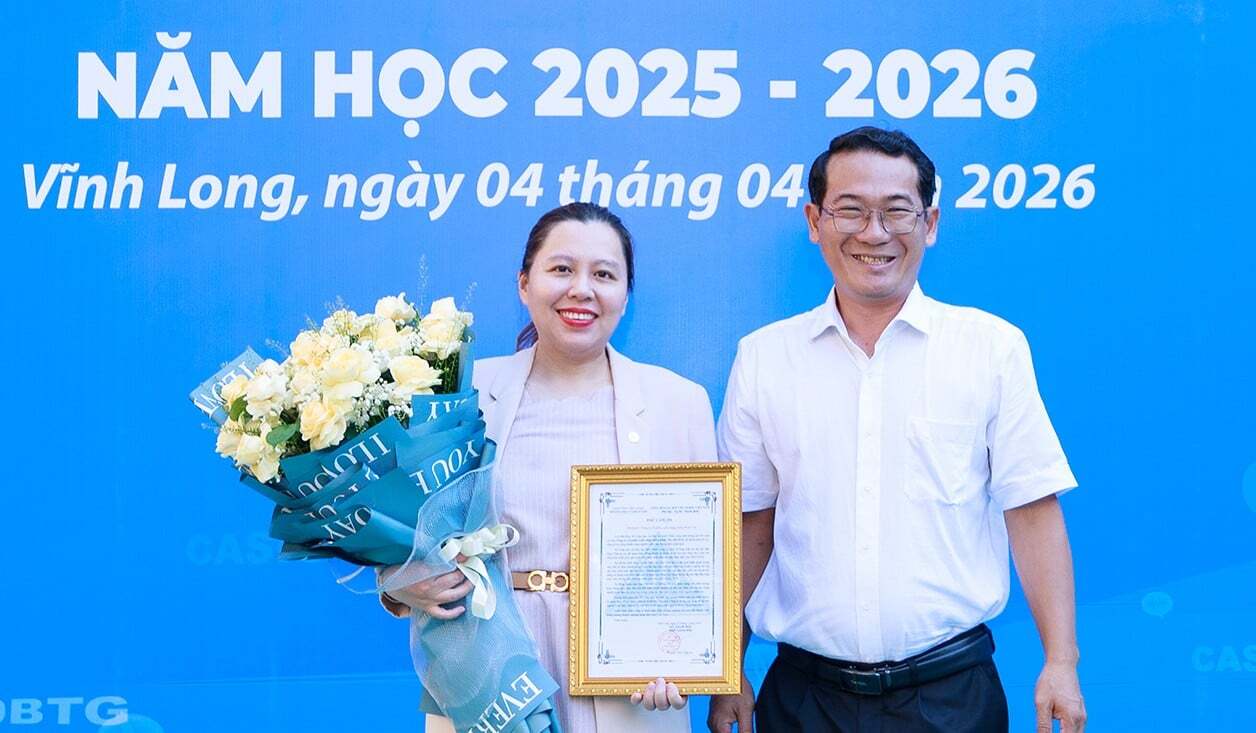
Representing Binh Tay Import-Export Joint Stock Company (BITEX) – the co-organizer of the competition, Ms. Tran Thanh Thao (General Director) shared: “We believe that bringing technological tools into learning not only helps students solve problems faster, but more importantly, expands their mathematical approach and thinking.”
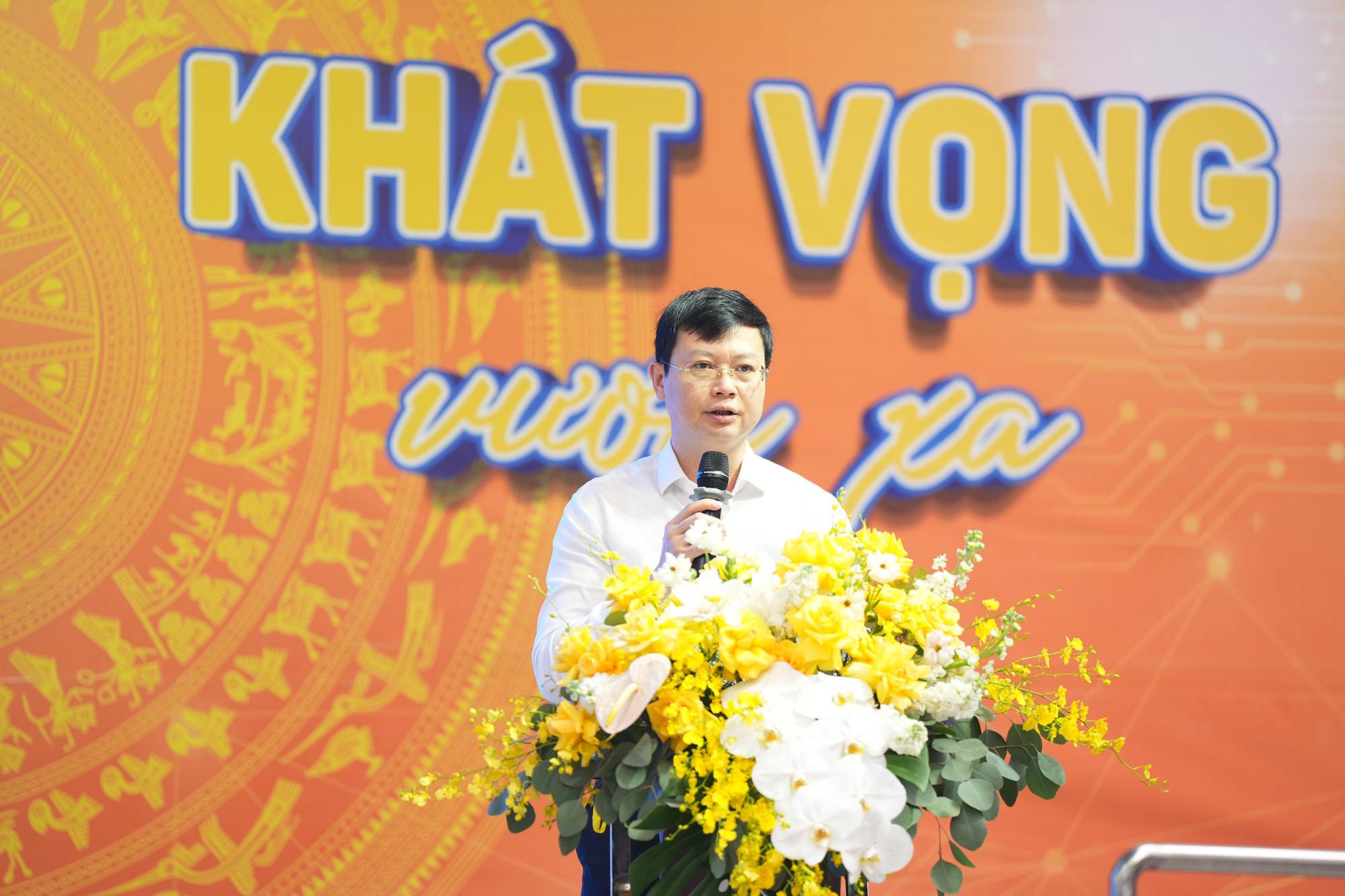
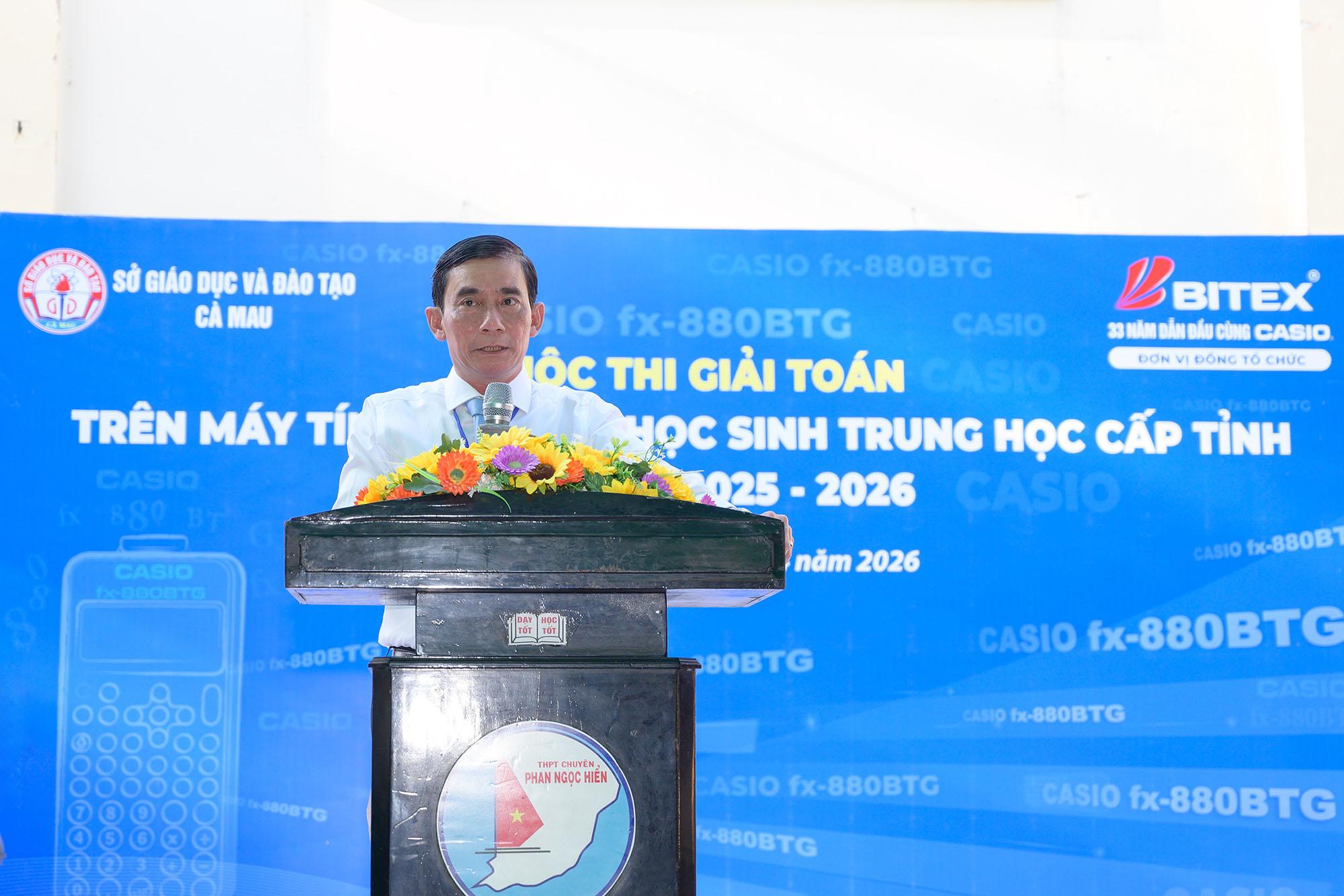
At the opening ceremony, Dr. Nguyen Van Hien – Director of the Hanoi Department of Education and Training shared: “Through the Competition, the Hanoi Department of Education and Training aims to evaluate and develop two core competencies in students:
First, Mathematical thinking and reasoning competency – helping them deeply understand the nature of problems, forming a logical and scientific approach;
Second, Problem-solving competency – demonstrating the ability to apply knowledge flexibly and creatively in diverse situations.
At the same time, the use of handheld calculators in the Competition does not stop at being a calculation support tool, but is also a means to help students access modern learning methods. However, the important thing is that they need to know how to use the tool reasonably, harmoniously combining it with Mathematical thinking, avoiding dependence, thereby maximizing personal capacity.”

Not just a competition, this event is expected to contribute to spreading the spirit of active and creative learning among students; at the same time, creating opportunities for schools, teachers, and students to exchange, learn, and improve the quality of teaching and learning Mathematics in the context of education increasingly associated with technology.